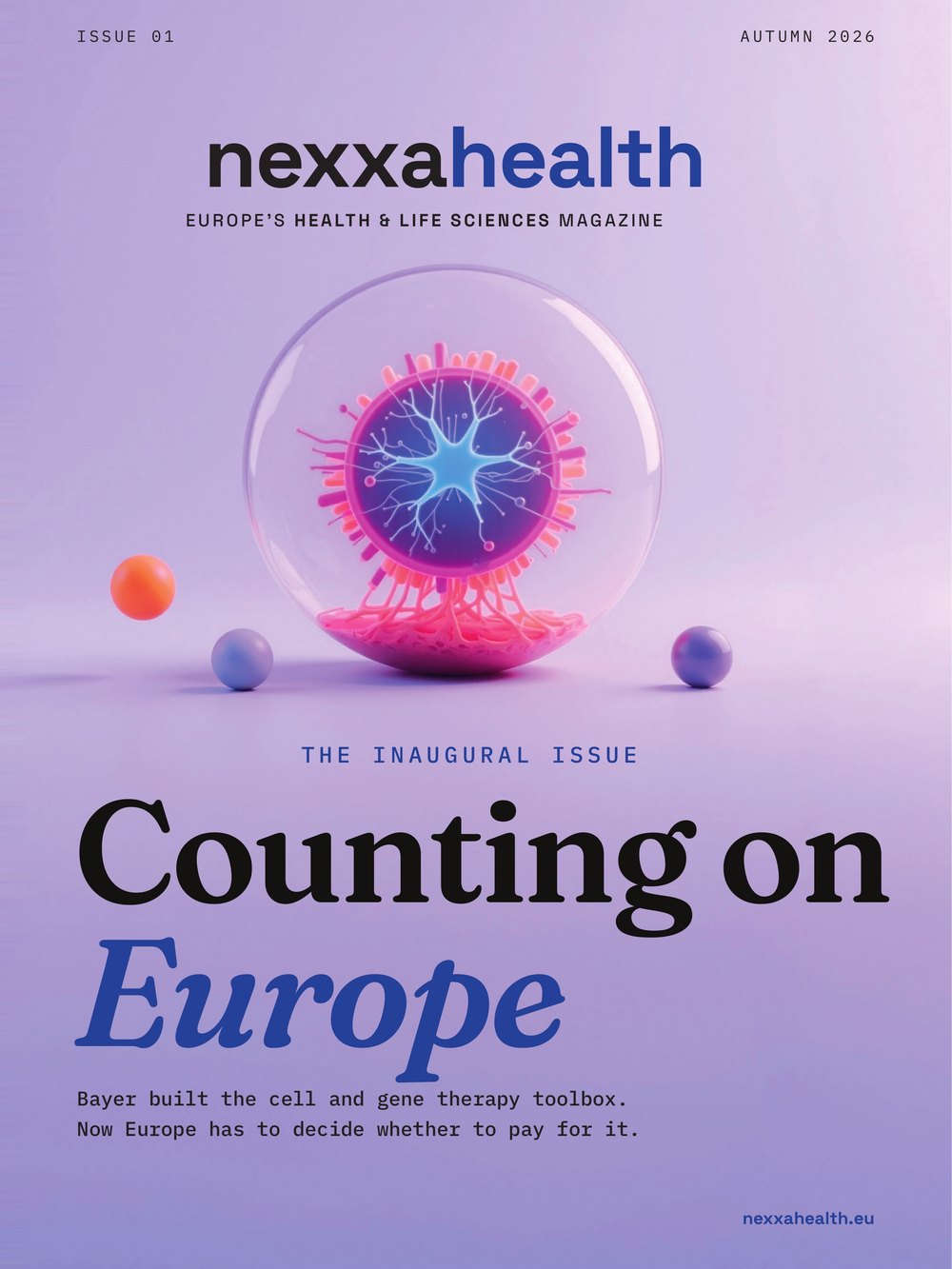
Issue 01 Autumn 2026
Counting on Europe
Bayer built the cell and gene therapy toolbox. Now Europe has to decide whether to pay for it.

Counting on Europe
Bayer built the cell and gene therapy toolbox. Now Europe has to decide whether to pay for it.
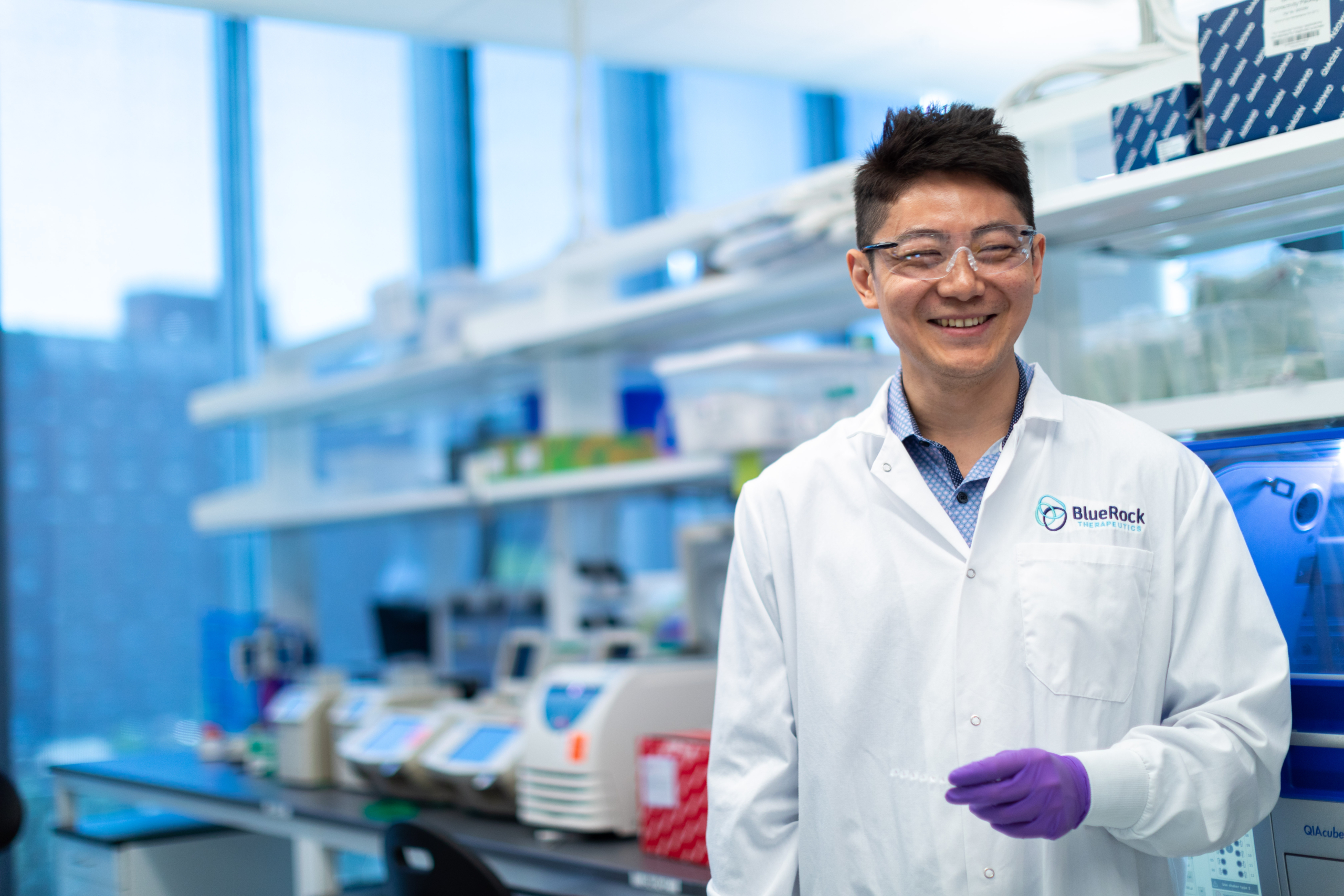
In August 2026, presenting Bayer's half-year results, chief executive Bill Anderson assured the market the company was “operationally on track”. Behind the reassurance stood a number the company is still navigating. Xarelto, the blood thinner that for a decade had been the company’s best-selling medicine, was down 42 per cent year on year; Eylea, the eye drug that is Bayer’s other great earner, down 33 per cent. Both were being hollowed out by expiring patents, exactly as forecast. Xarelto’s main European patent went in April 2024, and the drug lost €1bn to €1.5bn of US revenue in 2025 alone. Eylea comes off patent in Europe in 2027. A company worth roughly €100bn was staring at a hole it could not fill with more chemistry. Its answer runs through something newer and riskier: a bet on cell and gene therapy.
Chief executive Bill Anderson, in the job since June 2023, is the pragmatist who inherited the problem. The answer he is betting on, though, was chosen before he arrived. In 2019 Bayer set a new strategy for its pharmaceutical division: to become a top-ten oncology company and, alongside it, a leader in the emerging field of cell and gene therapy. The field was young enough that the assets that mattered were still independent and, for a determined buyer, available.
Read the cover story →
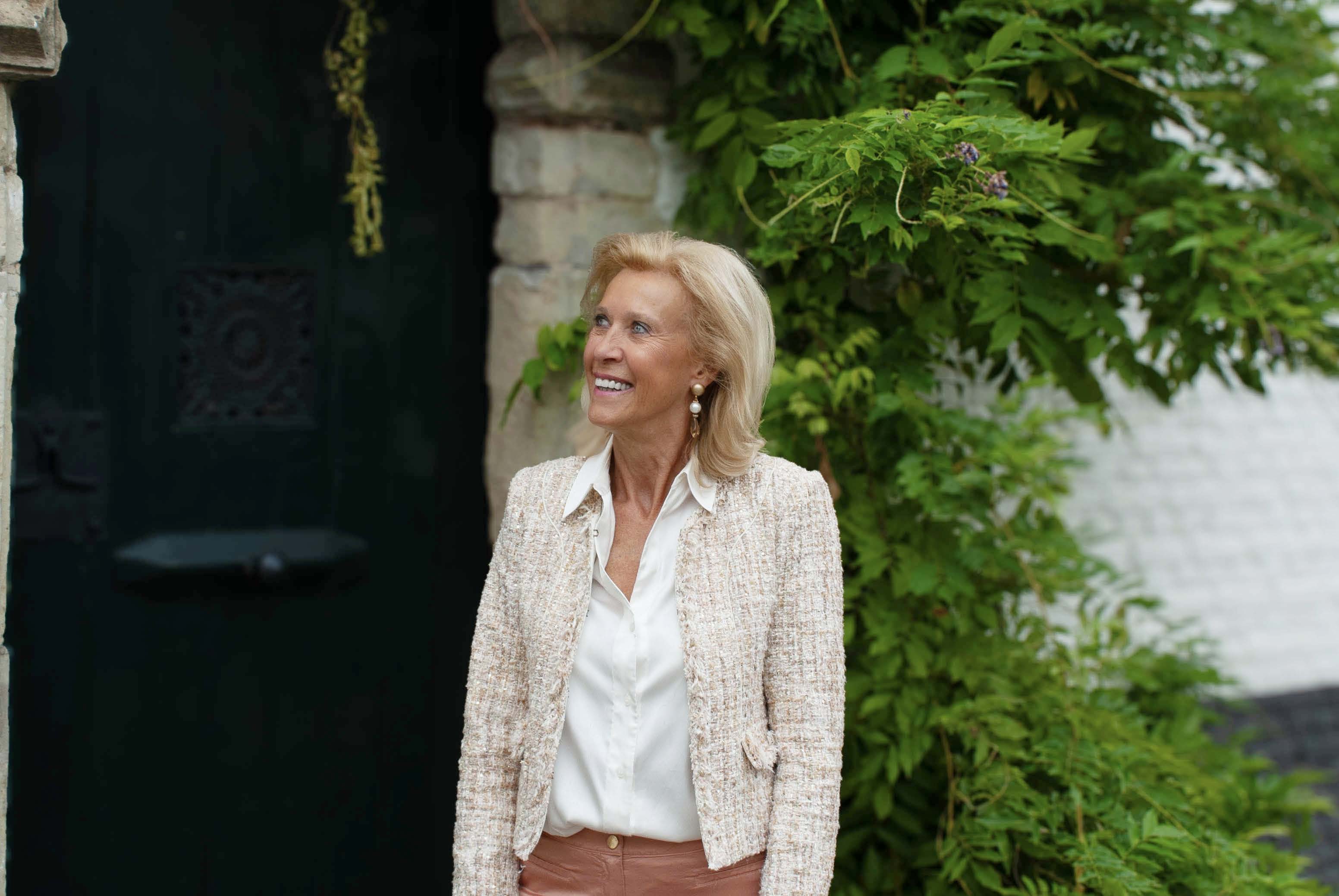
A heart scan saved my life
A nurse with no risk factors and a clean set of cardiovascular tests. What saved Christel Put's life was a scan and a radiologist who refused to stop at almost.
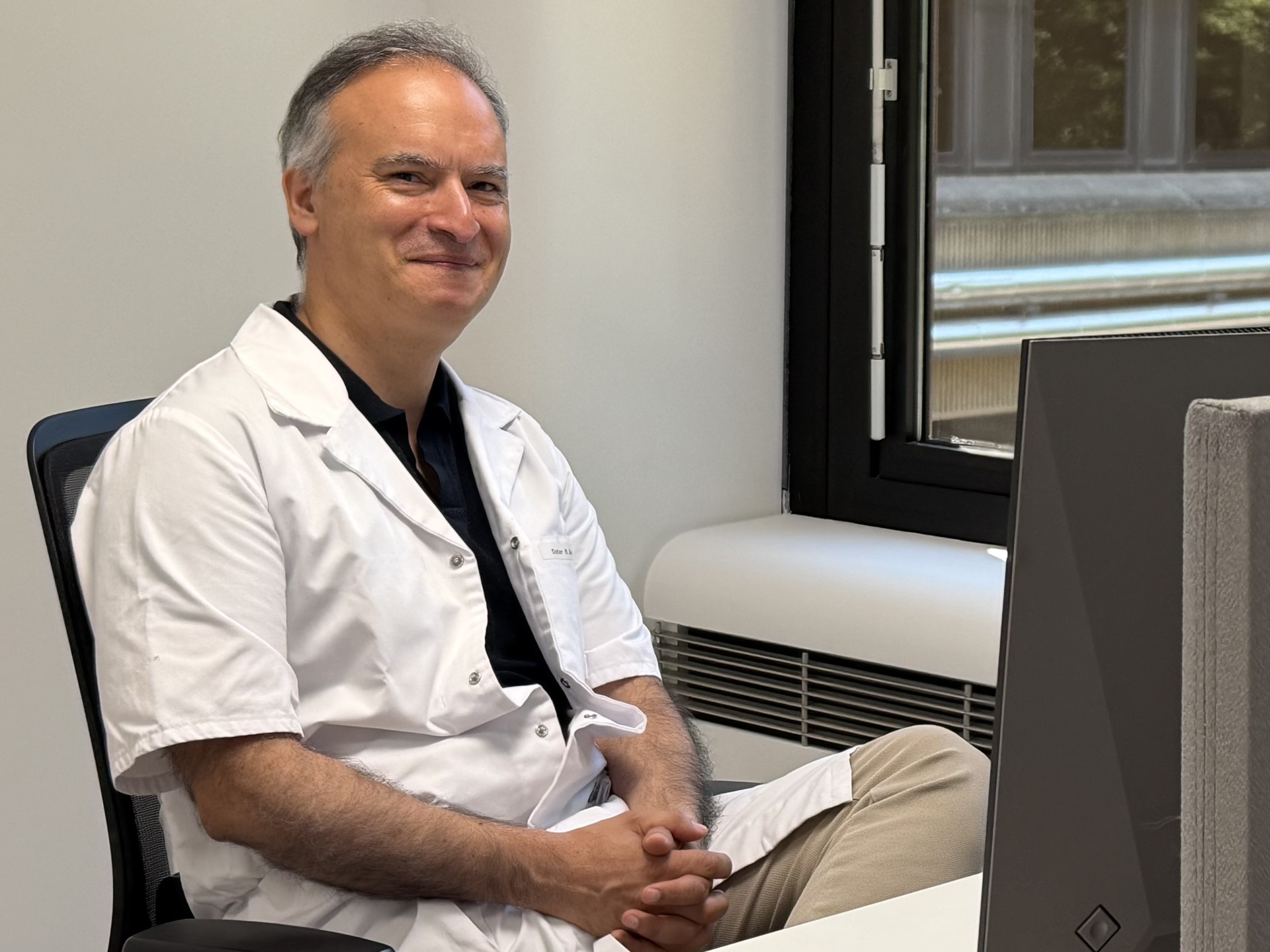
Look closer, not wider
Prof. Rodrigo Salgado reads the scans that reveal Europe's biggest killer, and his prescription is to use them correctly. The tools to catch heart disease early already sit in the continent's hospitals, he argues; what is missing is to get them to the patients who need them.
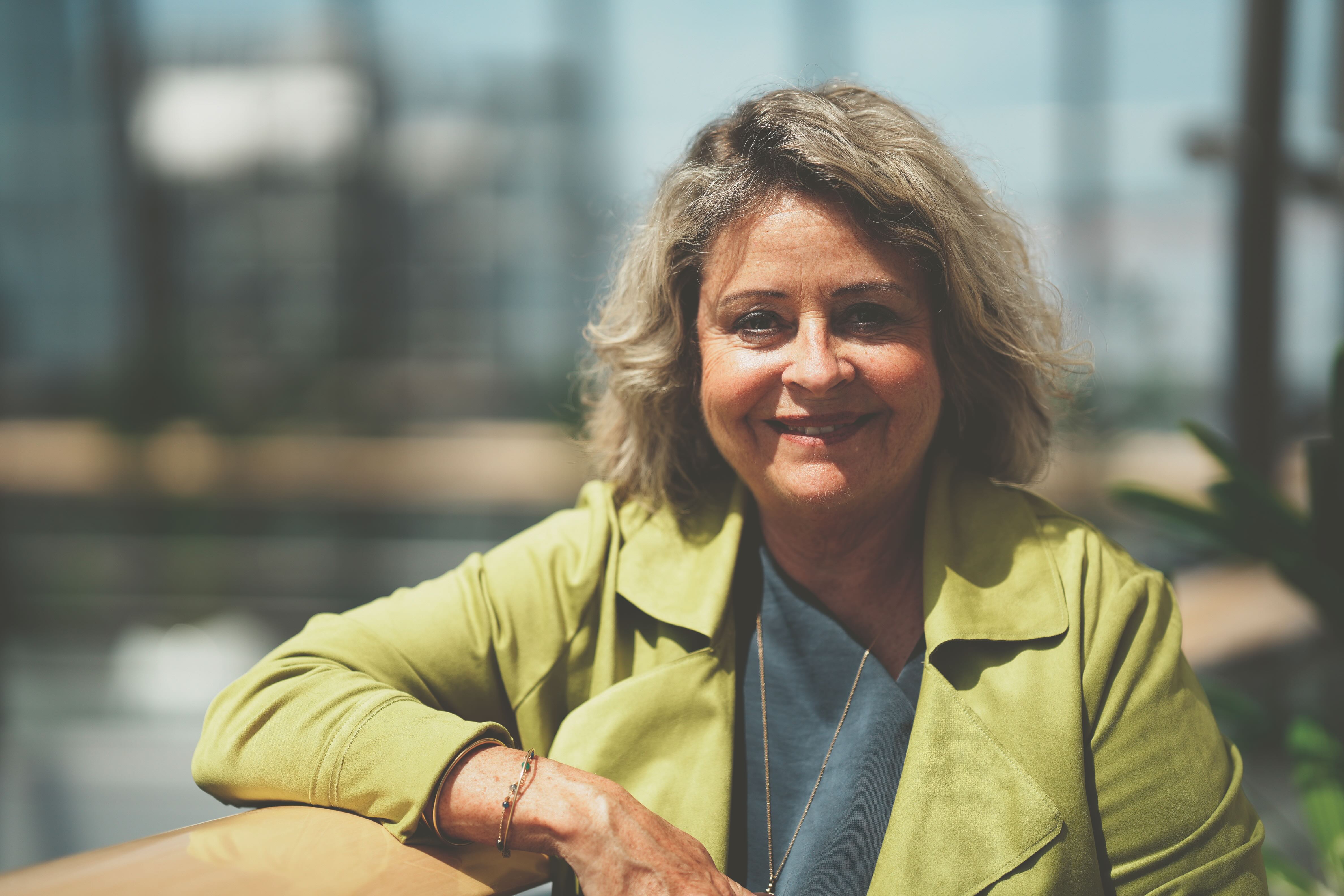
Stine Bosse: We have one shot to get this right
Easier to run trials across borders. Easier for companies to grow. Easier for patients to benefit. The case for Europe acting like one market.
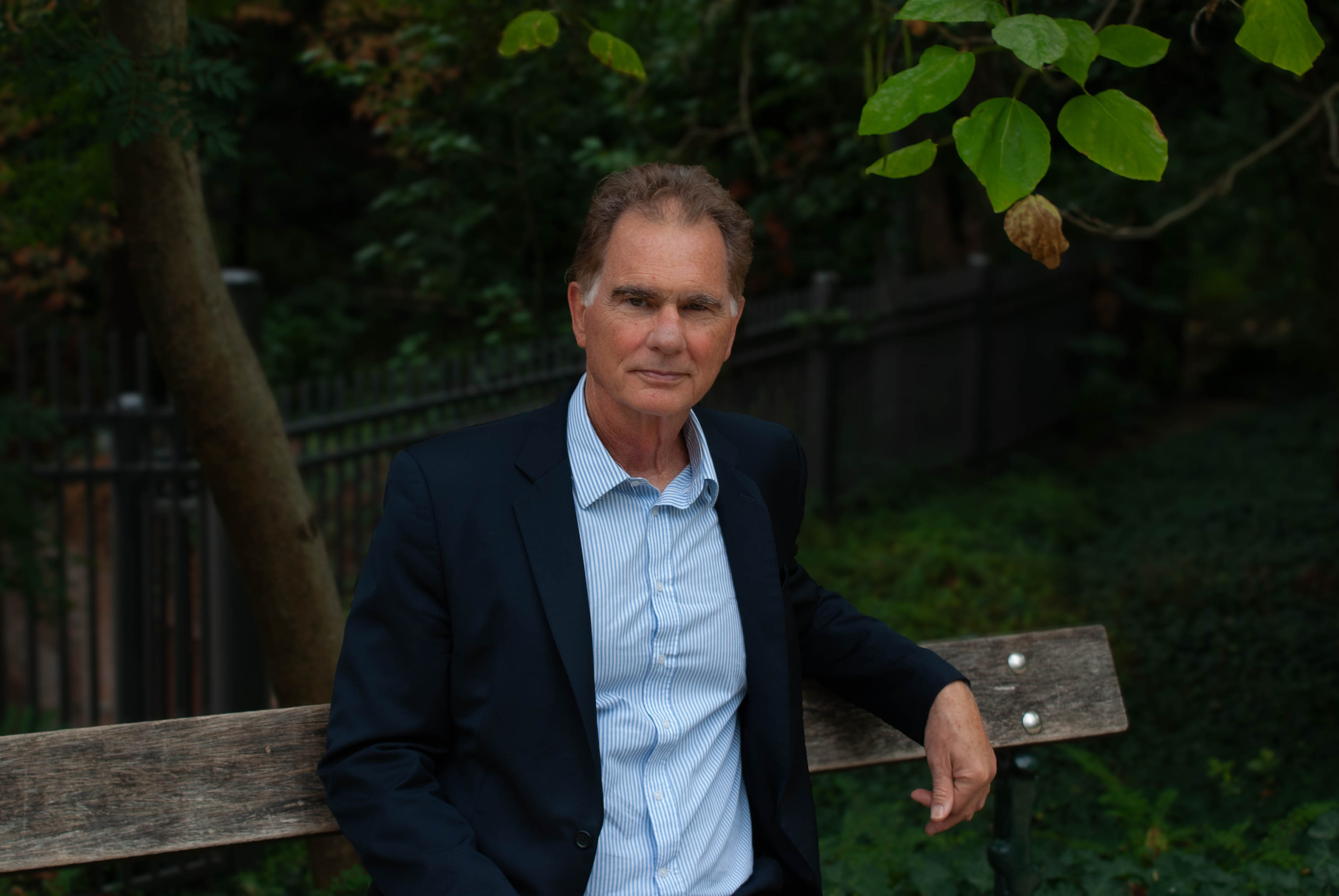
Europe must protect young minds
Social media platforms are not neutral spaces. Meta, TikTok, YouTube and other technology giants design products to capture and retain our attention. Their algorithms learn what keeps us watching and offer us more of it. For children and adolescents, the consequences can be devastating.
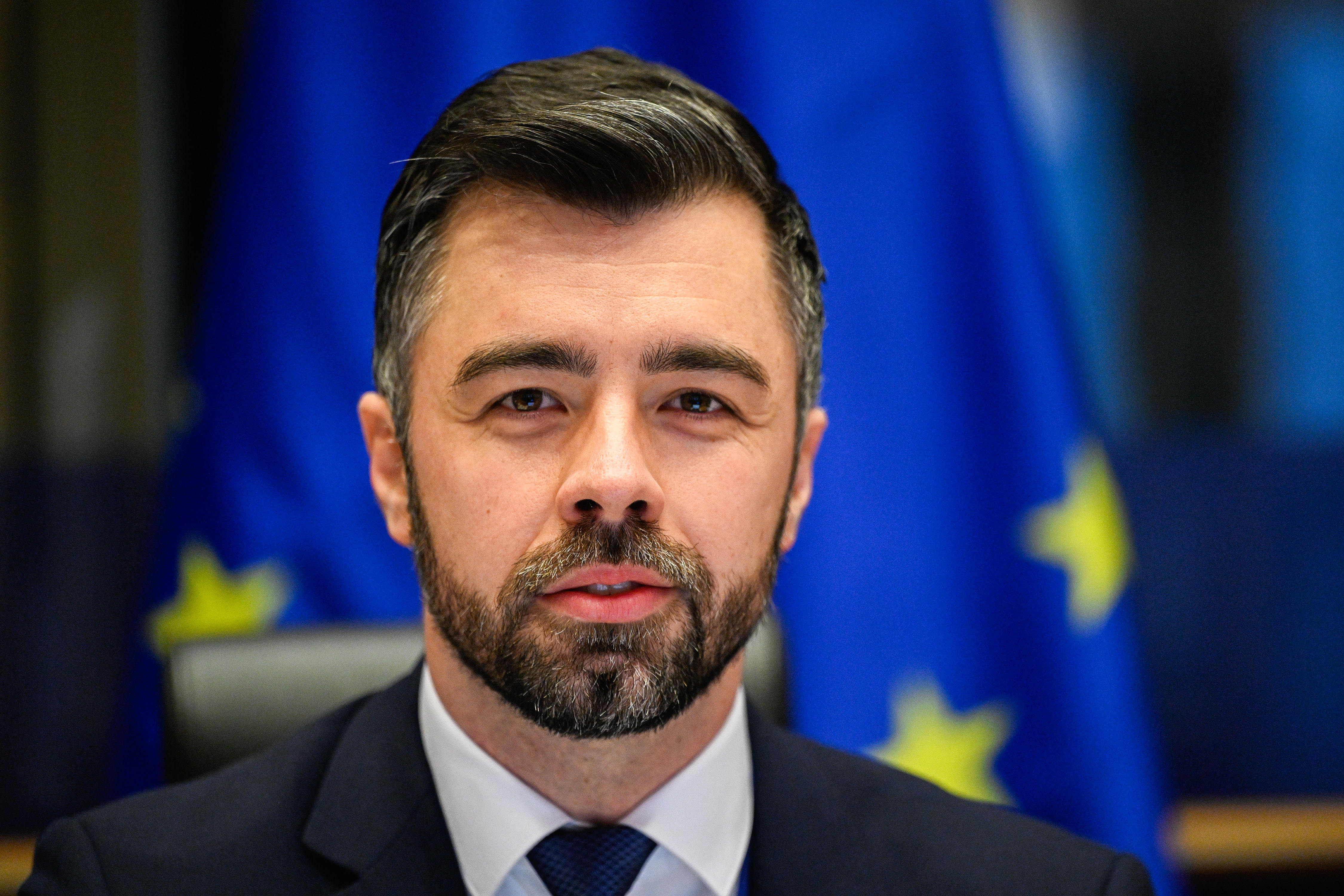
Not the technology. The people
Europe is entering a decisive decade for healthcare. Artificial intelligence is transforming diagnostics, biotechnology is opening new treatment possibilities, personalised medicine is becoming a reality, and digital health is changing how care is delivered. These developments rightly dominate discussions about Europe’s competitiveness and the future of life sciences. Yet one fundamental question remains largely unanswered: Who will deliver these innovations to patients?
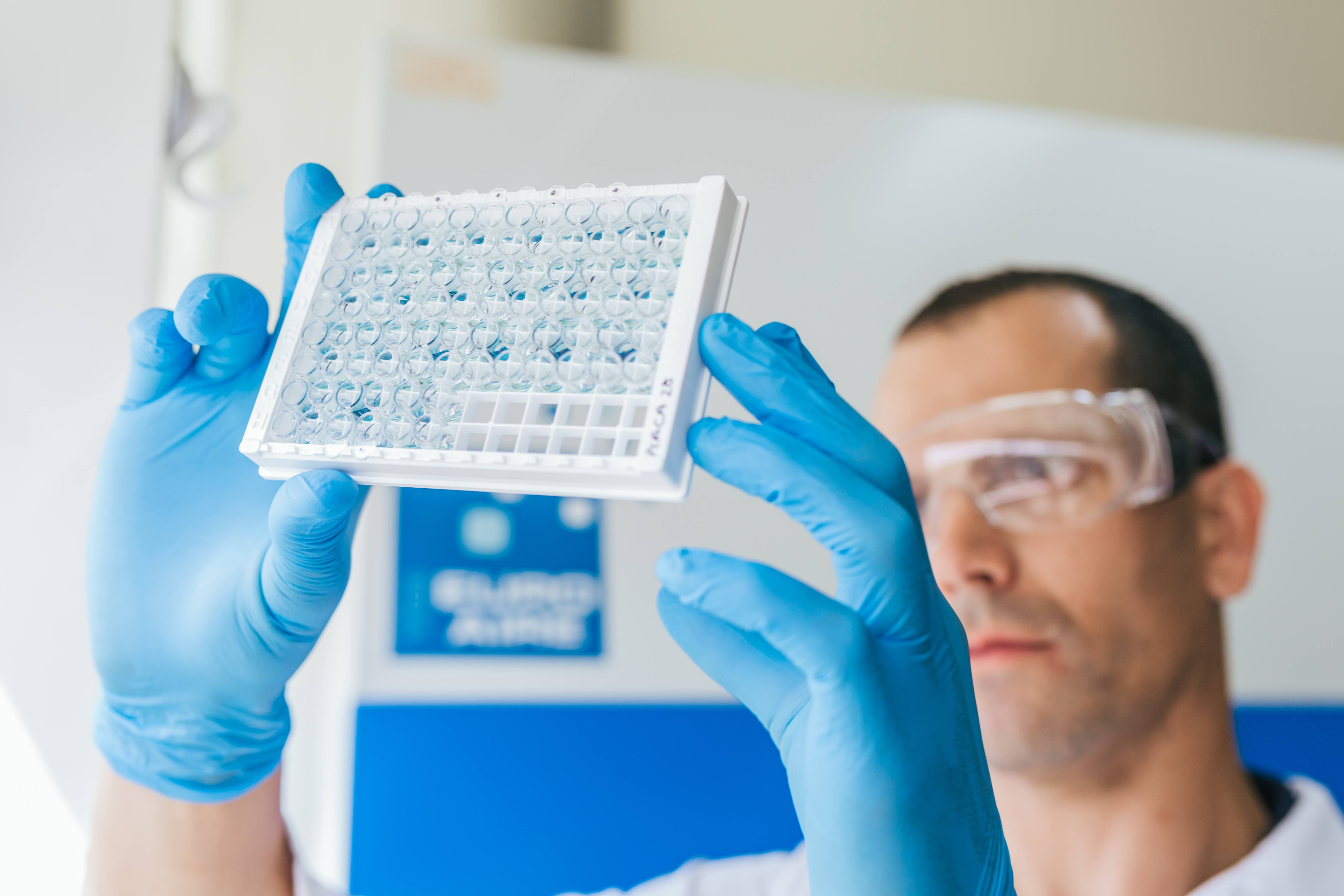
The latest approvals in Europe
Between March and September, Europe cleared 41 new medicines and a new class of AI-driven diagnostics. European companies led just over half, yet the first-of-their-kind treatments still belong mostly to rare diseases and specialist cancers.
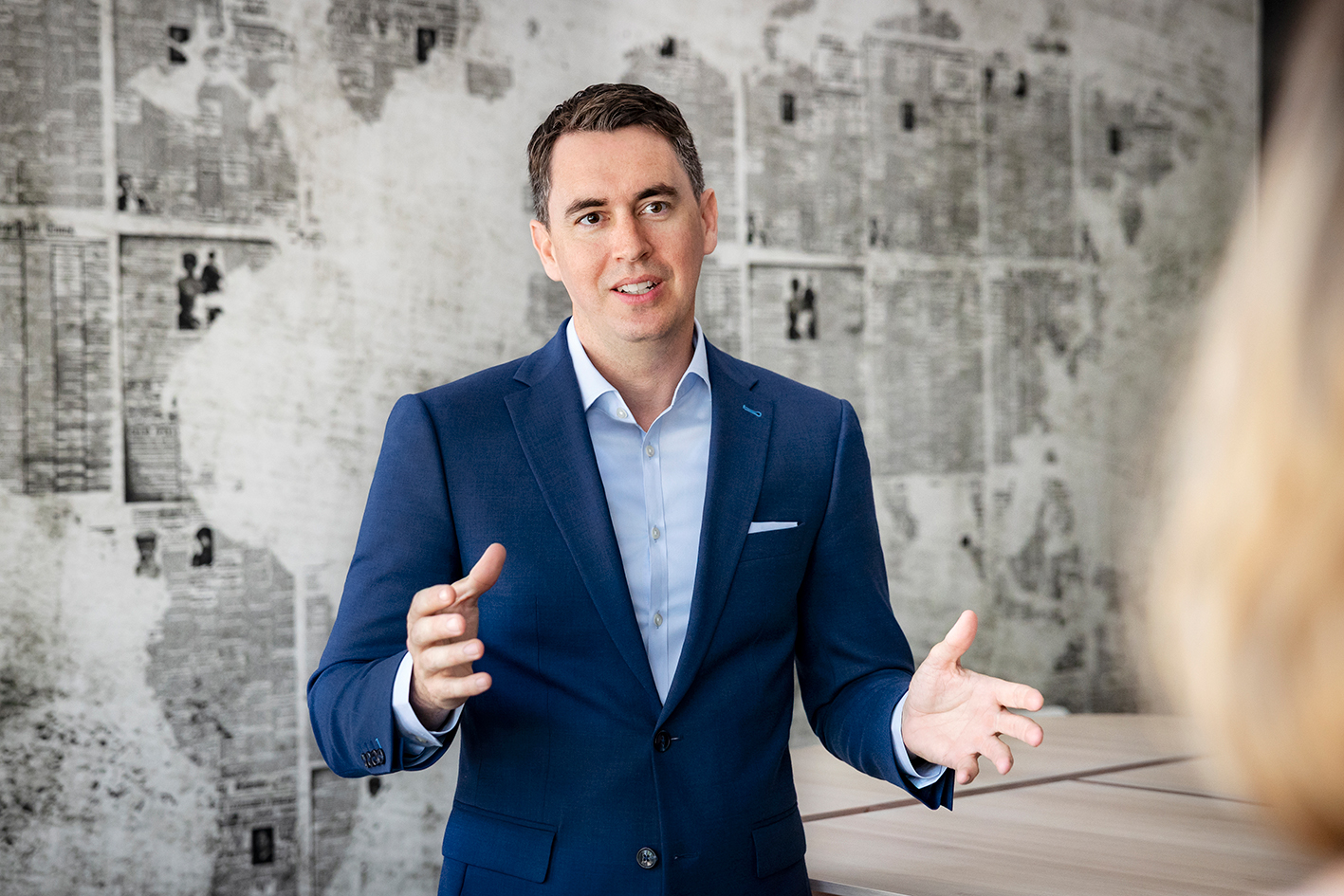
Jascayd
The story behind a key 2026 EU authorisation, told by the Boehringer Ingelheim teams who spent more than twenty-five years on it.
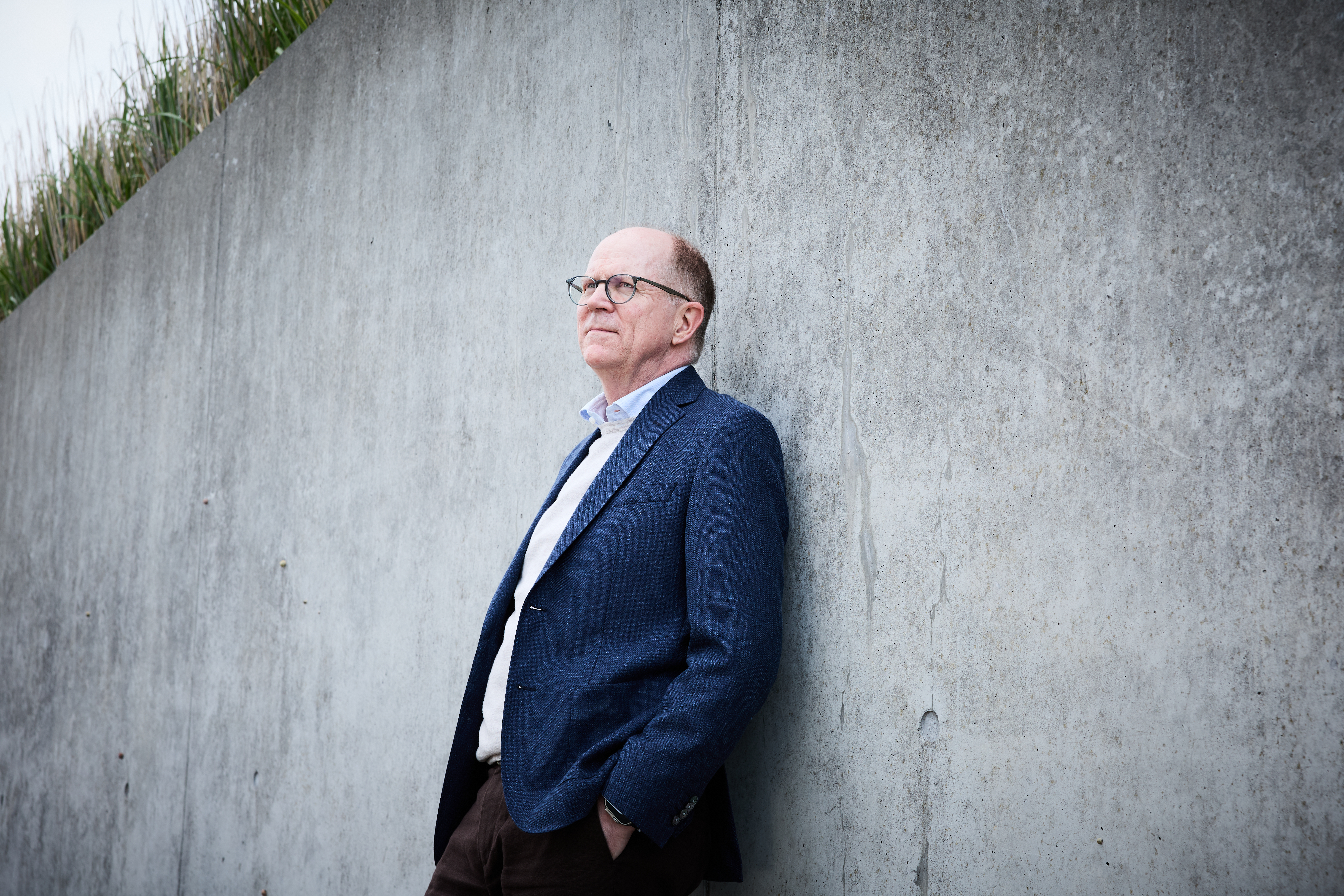
Play at home, win at home
Europe knows how to grow biotech champions. Søren Møller has helped build more than thirty of them, companies that raise billions and reach global markets. Almost all stage their payday on a US exchange. The managing partner of Novo Holdings’ Seed Investments team has cracked the method. The task now is to back them and keep them home.

Building Barcelona’s next masterpiece
Barcelona is famous for its masterpieces: Gaudi's spires, the broken-tile mosaics of Park Güell. Its next may be a first-in-class medicine. Behind the postcard city, a mosaic of scientists drawn from dozens of countries is building one of Europe's densest life sciences clusters.
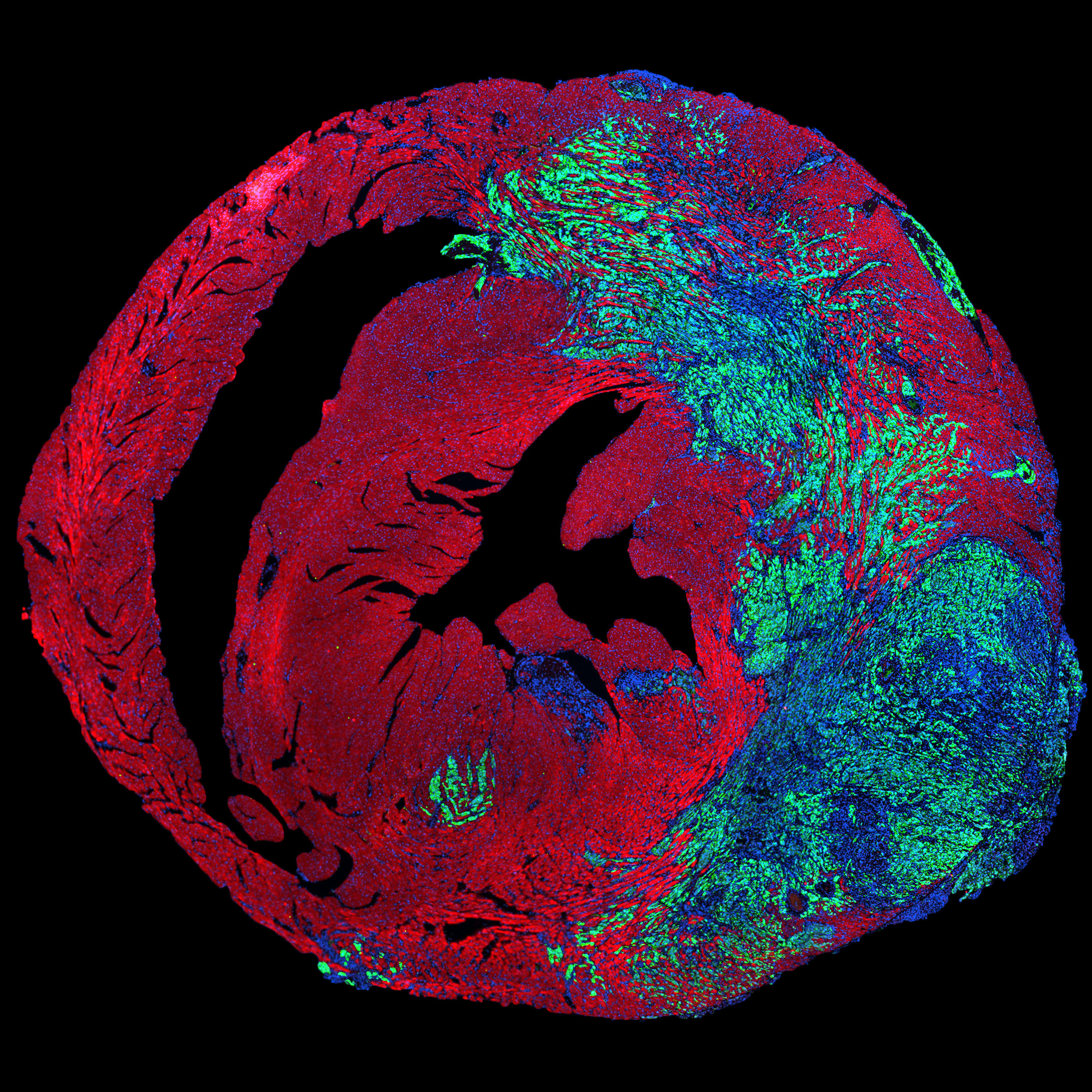
Mechanomedicine, a new therapeutic language for cancer?
The heart almost never develops cancer. Prof. Serena Zacchigna’s team at the International Centre for Genetic Engineering and Biotechnology(ICGEB) and at the University of Trieste, Italy, have worked out why, and stumbled on a new idea for fighting the disease: not with a drug, but with force. Their finding, that the muscle’s mechanical motion switches off the genes cancer cells need to divide, opens a field she calls mechanomedicine, another therapeutic language to set beside chemistry.
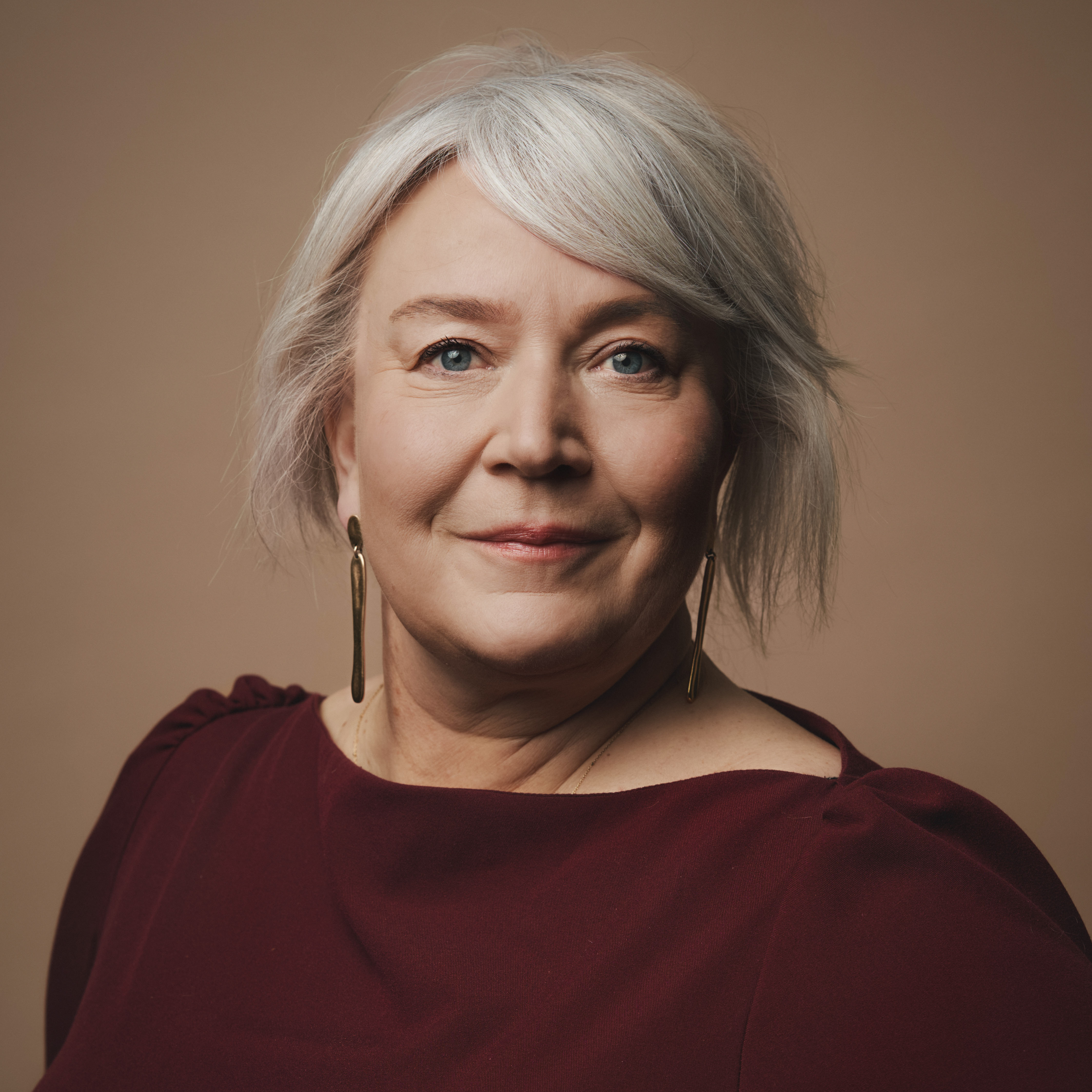
Europe’s second chance
Europe wrote the rules of the digital age and let American companies build the platforms. Christina Egelund, Denmark’s minister for science, higher education and digital affairs, believes the same mistake is about to repeat itself with artificial intelligence, quantum and biotech. Her argument: a continent that only regulates what others build does not get to shape the future of its own health.
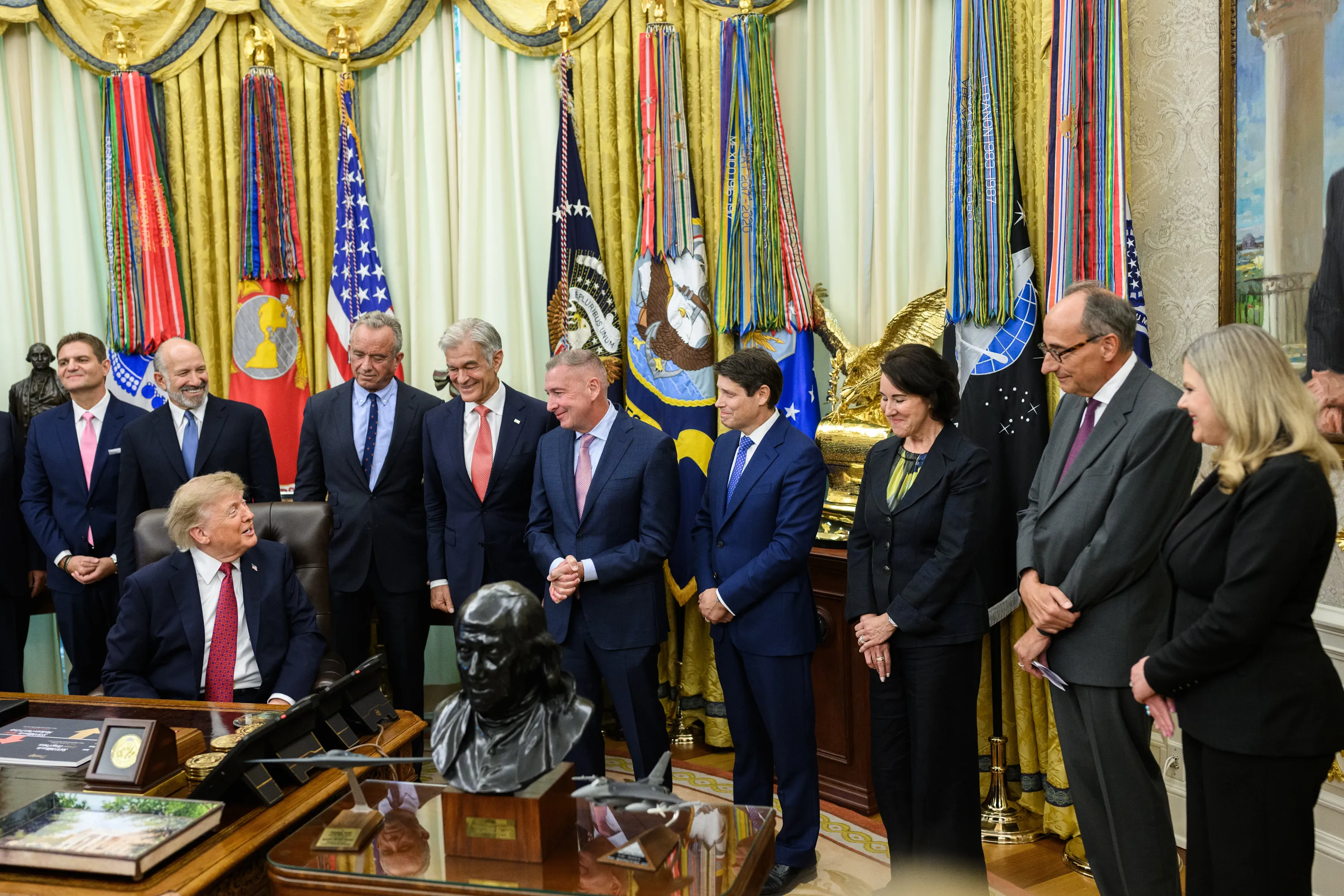
The drug makers are committing. Europe is waiting.
For years, Europe’s low medicine prices and its patchwork of national markets were things it could live with. America’s new pricing rules has turned both against it. Bas Amesz, who a decade ago proposed a different way to pay for medicines, argues the shock is Europe’s chance to buy innovation as a single bloc, and that its instinct to wait is the real danger.

Also open for trials
Ireland is opening its pharmacies to patients. Now it wants to open its trials to Europe. Holding the Presidency of the Council of the EU, Ireland has made clinical trials its first priority in Europe’s new Biotech Act, while, at home, standing up a new council to fix a research system that lags much of the Union.

Come in, we’re open
In almost every Irish town, the most trusted part of the health service is a high-street shop. Ireland is quietly making it the front line, letting pharmacists treat, prescribe and catch illness early. In a country with Europe’s healthiest people yet its longest hospital waits, senior pharmacist Tom Murray thinks this shopfront shows what modern care should look like, and increasingly the State agrees.
Running low
The European Medicines Agency assesses medicine shortages that affect, or could affect, more than one EU country. On 15 September 2026, its catalogue listed 29 ongoing shortage entries for human medicines, covering treatments from chemotherapy and insulin to a tuberculosis drug. Some shortages may ease as manufacturing recovers; others involve decisions to discontinue products or withdraw particular presentations. Europe’s Critical Medicines Act aims to strengthen supply, but cannot guarantee that every product stays on the market.
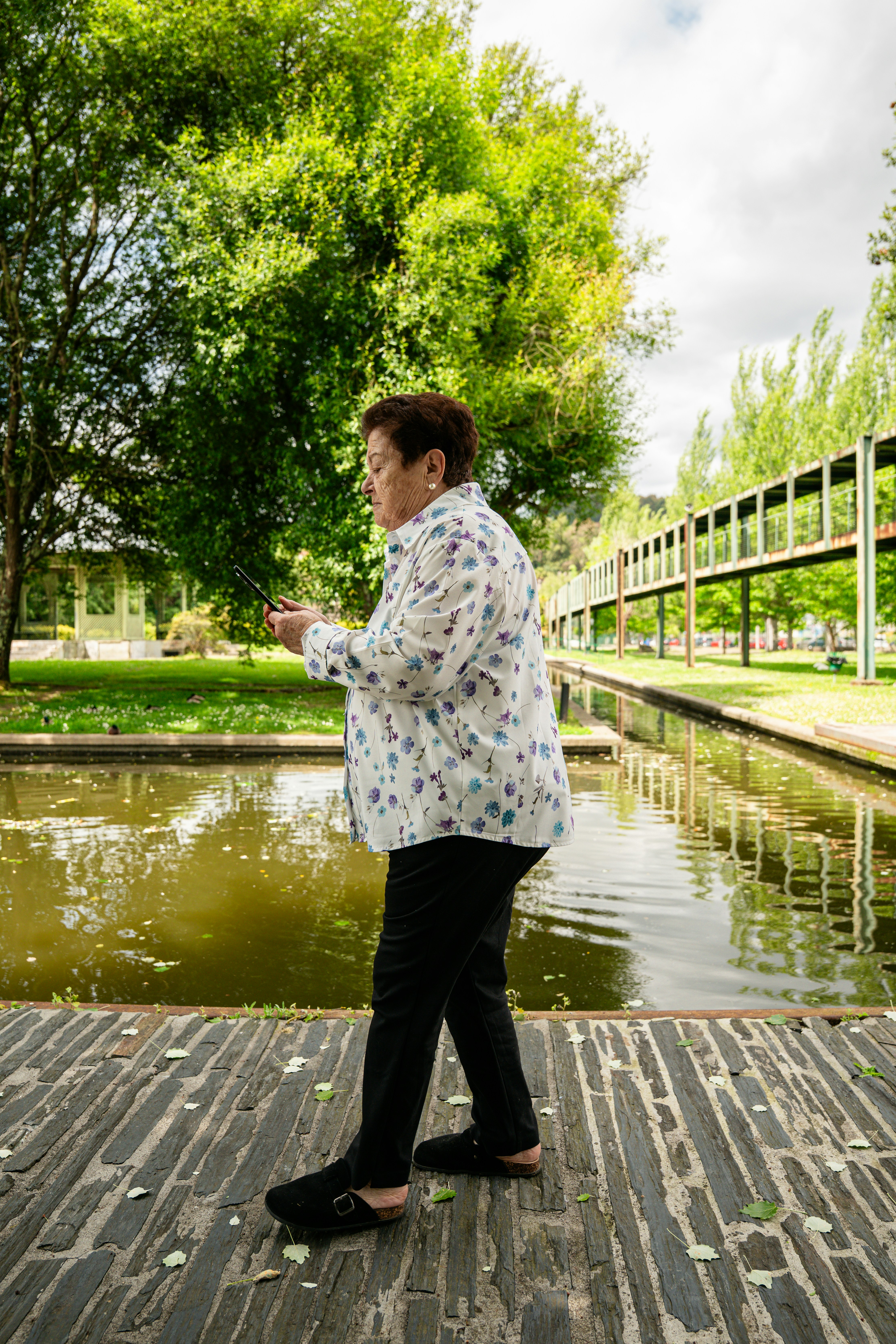
Can prevention pay?
Europe’s medicine keeps getting better, yet Europeans keep getting sicker, spending more of their lengthening lives unwell. Health futurist Bogi Eliasen says the fix is a mindset, not a budget, and sketches what a system built around prevention would look like.
22 more dates on the agenda, for subscribers.
The full agenda →Stay up to date
New issues, and the things worth knowing between them. A short email, never often, and one click stops it.
Read the whole issue
Reading in full is for subscribers. Anyone can read how a piece opens; the rest appears once you sign in. €120 a year online, €165 with the magazine on paper.